







Search Results for: Drip Rate Ratio
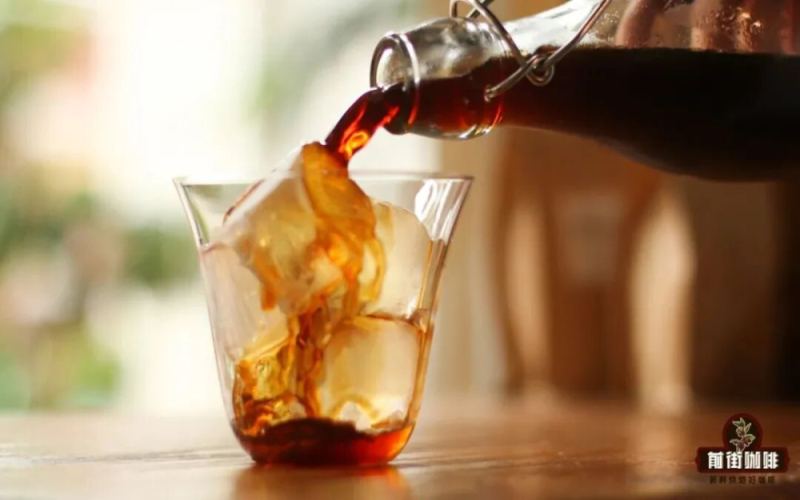
Complete Guide to Cold Brew Coffee Making: Standard Steps, Flow Rate Control, and Time Explained
Cold drip coffee, with its lengthy brewing process and unique layers of flavor, has always been a topic of interest among coffee enthusiasts. Completely different from cold brew, cold drip requires specialized equipment, precise control of the water drip rate, and subsequent fermentation and aging. This article will analyze in detail the standard steps for making cold drip coffee from four dimensions—grind size, drip speed, extraction ratio, and aging time—and answer the common question of "how long does it actually take to make a cup of cold drip?" At the same time, the article also compiles Front Street Coffee's practical experience and parameter recommendations in cold drip production, helping you understand the complete process of this low-temperature drip coffee in a more systematic way. [more…]
A Complete Guide to Cold Brew Coffee: Key Parameters for Flow Rate, Grind, Ratio, and Aging Time
With its lengthy brewing process and distinctive flavor layers, ice drip coffee has become a representative of "slow work yields fine results" in the minds of many coffee enthusiasts. Unlike cold brew, ice drip relies on a dedicated device, extracting by having ice water drip through the coffee grounds one drop at a time, then undergoing refrigerated fermentation and aging to present a rich and smooth taste. Starting from Front Street's hands-on experience, this article breaks down in detail the four core variables of ice drip coffee—grind size, drip rate, extraction ratio, and aging time—and provides specific parameter recommendations to help you make a standard-quality ice drip coffee at home. [more…]
How Is Cold Brew Coffee Different from Iced Americano and Iced Pour-Over? A Complete Brewing Guide from Equipment Principles to Grind and Flow Rate
Ice drip coffee often sells for a higher price than iced Americano and iced pour-over in cafés, sometimes even in smaller portions—what is the reason behind this? Although it and cold brew both belong to low-temperature extraction, their production logic is completely different. Starting from Front Street's hands-on experience, this article will break down the four key variables of ice drip coffee—the equipment structure, grind calibration, drip rate, and coffee-to-water ratio, as well as the aging time—and provide specific parameter recommendations for light-roast and medium-roast beans. Whether you want to understand why ice drip coffee is expensive or are planning to get an ice drip pot and try it at home, this article can provide a clear operational reference. [more…]
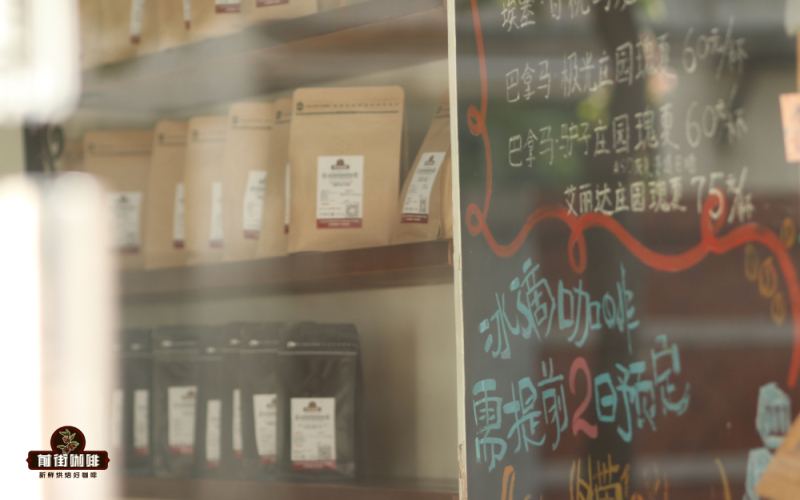
Ice Drip Coffee Flavor Characteristics and Complete Brewing Tutorial: A Detailed Guide to Equipment Selection, Drip Rate, Water-to-Coffee Ratio, and Brewing Parameters
Cold brew coffee, due to its unique low-temperature slow extraction process, presents a mellow, rich yet not astringent, smooth yet not bitter taste, and is deeply loved by coffee enthusiasts who pursue richness but fear bitterness. However, its production time is as long as 4 to 12 hours, and the equipment cost is not low, all of which are directly reflected in the selling price. This article will systematically introduce the flavor sources of cold brew coffee, the differences between the two structures of cold brew towers, the key points for using the ice chamber and the coffee powder cup, as well as the practical parameters shared by Front Street Coffee such as a 1:10 water-to-coffee ratio, pre-infusion, and 7 drops per 10 seconds, and will also include recommendations for coffee beans suitable for cold brew extraction, so that you can consistently make a clean cup of cold brew coffee at home. [more…]
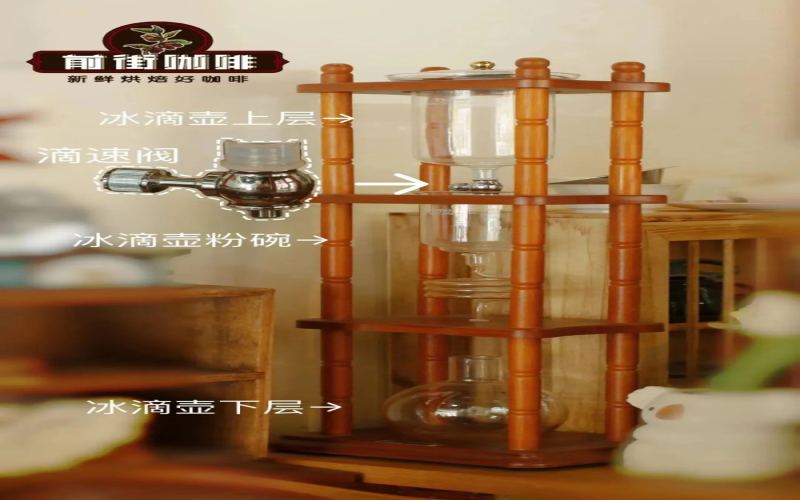
Cold Brew Coffee Bean Selection Guide and Home Brewing Method: A Complete Analysis from Grinding, Flow Rate to Refrigerated Fermentation
Ice drip coffee, through its pure ice drip filtration and low-temperature fermentation process, presents a mellow, sweet, and refreshingly cool taste, making it a highly favored coffee beverage in summer. Starting from the store practices of Front Street Coffee, this article systematically sorts out the differences between the two common methods of low-temperature extraction—cold brew and ice drip—and explains in detail the structure of the ice drip pot, the choice of grind size, the control of drip speed and coffee-to-water ratio, as well as the grasp of refrigeration fermentation duration. At the same time, focusing on the two major directions of refreshing floral and fruity notes and rich fruity tea notes, it recommends two coffee beans suitable for making ice drip coffee, Front Street Elida Estate Catuai and Front Street Natural Huakui, helping enthusiasts recreate at home a clean-flavored, richly layered ice drip coffee. [more…]
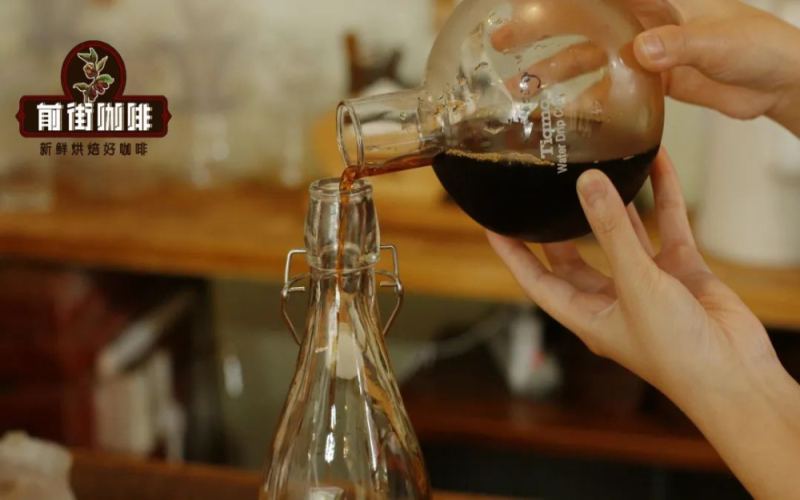
Detailed Guide to Ice Drip Coffee Powder-to-Water Ratio and Brewing Steps: A Complete Guide from Extraction Parameters to Cold-Brewed Flavor
Cold brew coffee is one of the most popular cold extraction methods in summer, but the process is time-consuming, often taking several hours or even a whole day from dripping to completion. To make a cup of cold brew coffee with a rich aroma and a refreshing taste, the key lies in choosing the right coffee beans, mastering the coffee-to-water ratio, and controlling the dripping flow rate. Front Street Coffee will guide you through the complete process of making cold brew coffee, including the recommended light-to-medium roast beans, a coffee-to-liquid ratio range of 1:8 to 1:14, an optimal flow rate of 7 drops every 10 seconds, and the technique of refrigerating for 12 hours to enhance the flavor, helping you easily make professional-quality cold brew coffee at home. [more…]
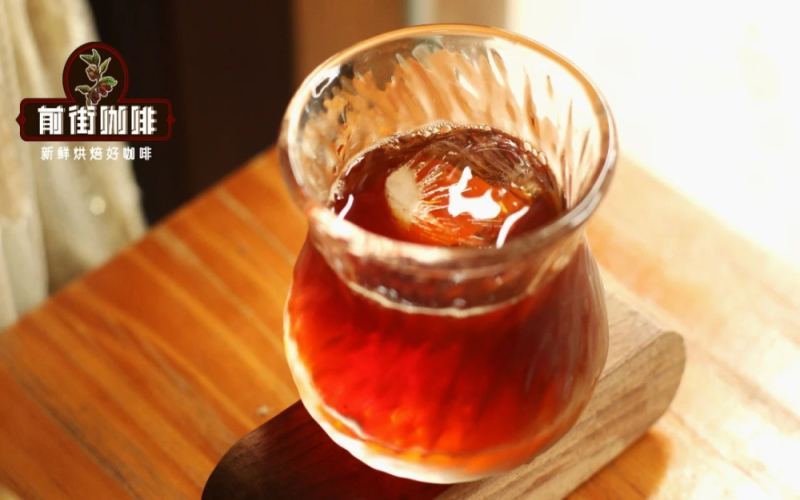
An Analysis of the Differences Between Ice Drip Coffee and Cold Brew Coffee: Brewing Parameters, Grind Ratio, and Flavor Performance of Front Street Coffee Beans
In the height of summer, a glass of ice-cold coffee is practically a lifesaver, yet many people can't clearly explain the difference between ice drip and cold brew. From the perspective of Front Street Coffee, this article systematically breaks down the extraction principles and equipment setup of ice drip coffee, explaining key parameters in detail such as 60 grams of grounds, a 1:10 coffee-to-water ratio, and an 85% pass rate through a No. 20 sieve, along with a simple process for making cold brew coffee at home. It also analyzes how grind size and coffee-to-water ratio affect flavor, and finally recommends two coffee beans suited for cold brew—Kenya Asalia and Honduras Sherry—to help coffee lovers easily enjoy a smooth, uniquely flavored glass of iced coffee in the scorching heat. [more…]
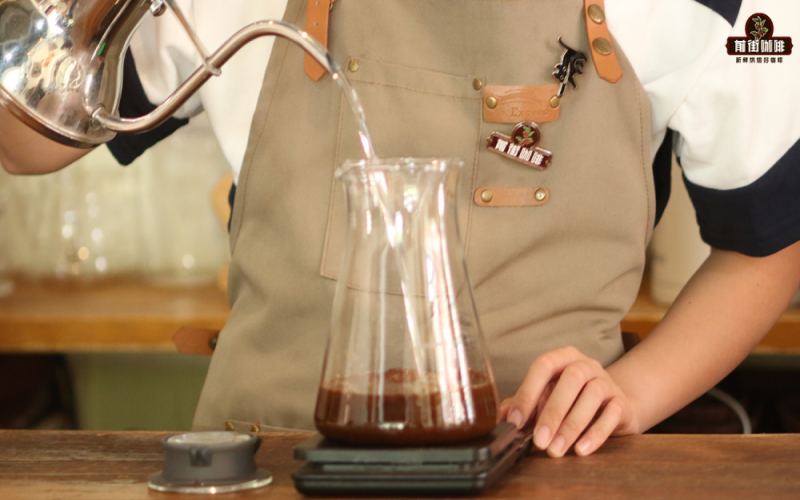
Cold Brew Coffee Bean Selection Guide: From Flavor Pairing to Front Street Brand Recommendations and the Complete Home Brewing Process
Cold brew coffee, with its sweet, full-bodied taste and low bitterness, is attracting more and more coffee lovers to try making it at home. But which beans to choose, how coarse to grind, and how to control the flow rate often leave people at a loss. This article starts with the difference between cold brew and ice drip, explains why low-temperature extraction produces less bitterness, and gives specific recommendations for floral and fruity coffee beans, including Front Street. Sun-Dried Huakui, Front Street. Washed Butterfly, Front Street. Strawberry Candy, Front Street. Mozart, and Front Street Xizhua, among other options. Then, using in-store practice as a reference, it explains in detail the structure of the ice drip pot, grinding standards, drip rate settings, coffee-to-water ratio, and filter paper placement and other key details, to help you consistently make a cup of clean-flavored ice drip coffee at home. [more…]

Ice Drip Coffee Powder-to-Water Ratio | How Long Does It Take to Make Ice Drip Coffee? What Coffee Beans Are Suitable for Ice Drip Cold Brew? What Is the Best Enjoyment Period for Ice Drip Cold Brew?
For more specialty coffee knowledge, please follow our WeChat official account: FrontStreet Coffee. In the heat of summer, iced coffee is one of the refreshing beverages to beat the heat. When you walk into a coffee shop, you may notice that the price of cold drip coffee is noticeably higher than that of regular iced coffee. Cold drip coffee, of course, [more…]
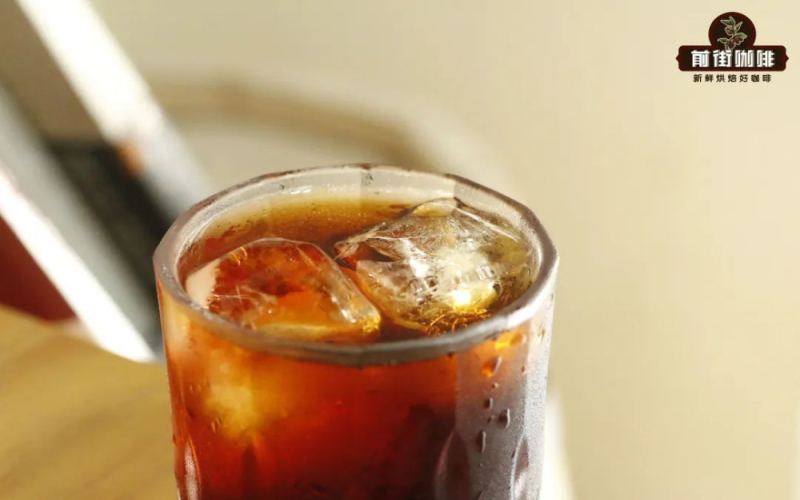
How to Make Cold Brew Coffee? A Complete Guide to Steps and Parameters from Equipment Preparation to Refrigerated Aging
In the previous article we talked about how to make cold brew coffee; this time let's raise the difficulty a bit and try our hand at making ice drip coffee. The ice drip process is more tedious than cold brew and takes more time and effort, but the cleanliness and layered complexity of the final cup are often worth the wait. The illustrated tutorial below starts with a list of equipment, then gradually explains the key details of the coffee-to-water-to-ice ratio, filter paper placement, pre-wetting the coffee grounds, setting the drip rate, and refrigerated maturation, and also includes bean recommendations suitable for ice drip. You can adjust flexibly according to your own equipment and taste preferences to make a pot of ice drip that is yours alone. [more…]
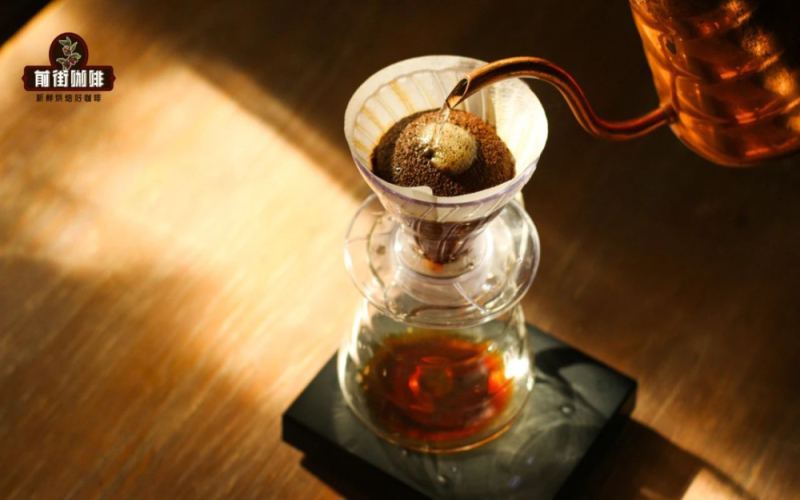
The Complete Guide to Drip Bag Coffee Brewing: Explaining Coffee-to-Water Ratio, Pulse Pouring, and Fixes for Under-Extraction
Drip bag coffee has become the daily drink of choice for many coffee lovers thanks to its convenience and portability. Yet this seemingly simple brewing process often suffers from too-fast flow, leading to under-extraction and a thin, flavorless cup. Drawing on the hands-on experience of Front Street Coffee, this article takes a deep look at the key factors affecting flow rate—such as the filter bag structure and the dose of coffee used—and offers a practical staged pouring method. By splitting the total water into several pours, narrowing the stream, and extending the extraction time, even beginners can brew a drip bag coffee with suitable strength and full flavor. The article also includes a selection of Front Street single-origin recommendations for those who want to improve their brewing. [more…]
What is the difference between ice drip coffee and cold brew iced coffee? Analyzing why ice drip is more expensive and tastier, from extraction principles to taste
Ice drip coffee, iced Americano, iced latte, and iced pour-over all belong to the iced coffee family, but ice drip coffee is often priced notably higher, and its brewing process is shrouded in mystery. Although both it and cold brew complete extraction at low temperatures, their principles and steps are completely different. Based on the actual experience of Front Street Coffee, this article breaks down one by one the four key factors of ice drip coffee—equipment requirements, grind size, drip rate, and extraction ratio and aging time—compares it with the convenient method of cold brew, and explains why ice drip coffee is cumbersome to make yet has a rich, smooth, and layered flavor. At the same time, combining specific products such as Front Street Red Cherry, Front Street Little Tomato, Front Street Sidra, and Front Street Strawberry Candy, it provides a complete timeline from brewing to drinking and the pattern of flavor changes for a standard cup of ice drip coffee, helping coffee lovers understand why ice drip coffee is expensive and where it tastes good. [more…]
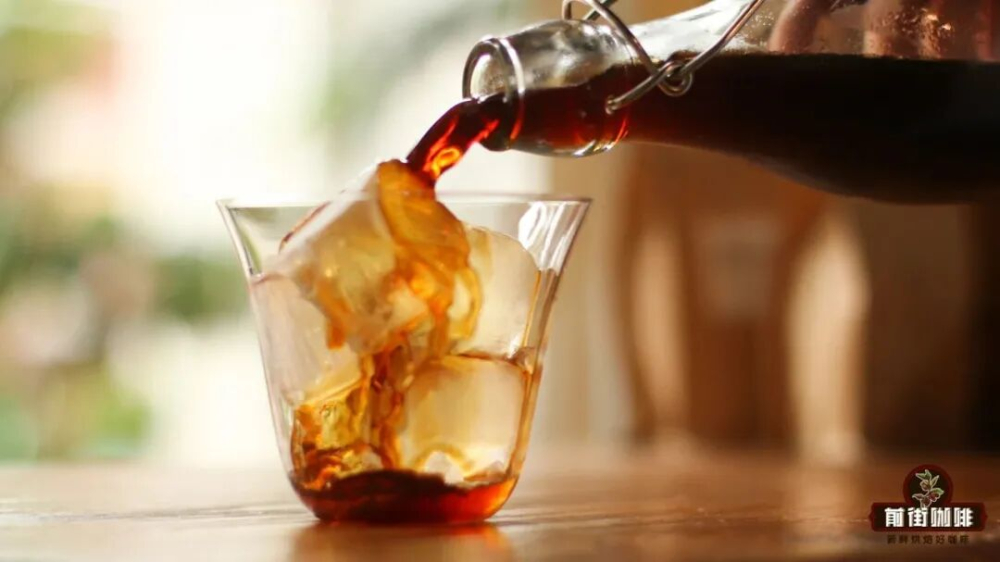
Cold Brew Coffee vs Iced Coffee | Is Cold Brew Better Than Iced Americano or Iced Pour-Over? How to Make Cold Brew at Home? An Introduction to Cold Brew Coffee Water-to-Coffee Ratio and Grind Size Parameters
I believe many friends know that although iced drip coffee, like iced Americano, iced latte, and iced pour-over, falls under the category of iced coffee, the price of iced drip coffee is always considerably higher than other iced coffees, and sometimes the portion is even smaller. For example, a cup of Americano at Front Street Coffee is 23 yuan, while a cup of iced drip coffee is 40 yuan, making the latter more expensive than the former by [more…]
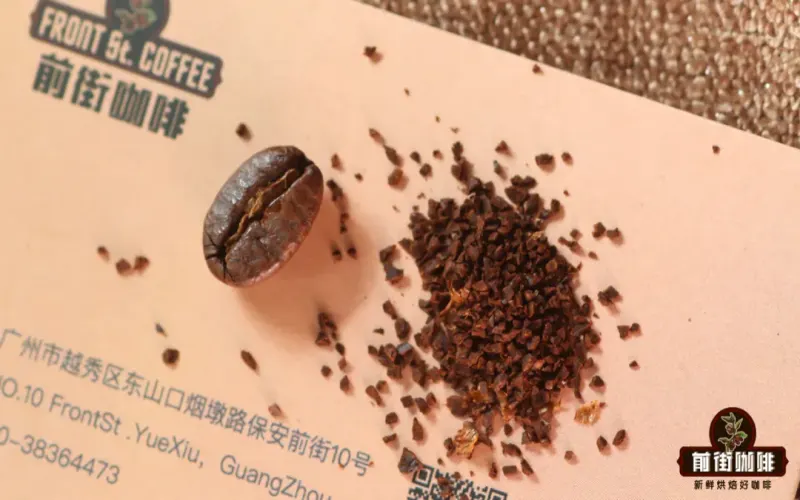
Pour Over, Cold Brew, Ice Drip, Moka Pot, and Espresso: Grind Size Selection for Each Extraction Method and Analysis of 20-Mesh Sieve Pass Rate
Grind size is one of the core parameters determining the success or failure of coffee extraction, but the coarseness of coffee grounds is difficult to describe with intuitive numerical values, so sieve passing rate has become a more precise way to communicate. In this article, Front Street will systematically sort out the suitable grind levels for pour-over, cold brew (cold immersion and ice drip), French press, clever cup, moka pot, and espresso machine, and provide specific passing rate references for the No. 20 Chinese standard sieve. Whether you are a beginner who has just started or a veteran player looking to calibrate your grind, you can find corresponding parameter suggestions here. The article also specifically explains the differences between medium-light roast and medium-dark roast pour-over, adjustment methods for iced pour-over, and the reason why cold brew grind is not finer-is-better, helping you avoid common pitfalls and brew a full-flavored good cup of coffee. [more…]
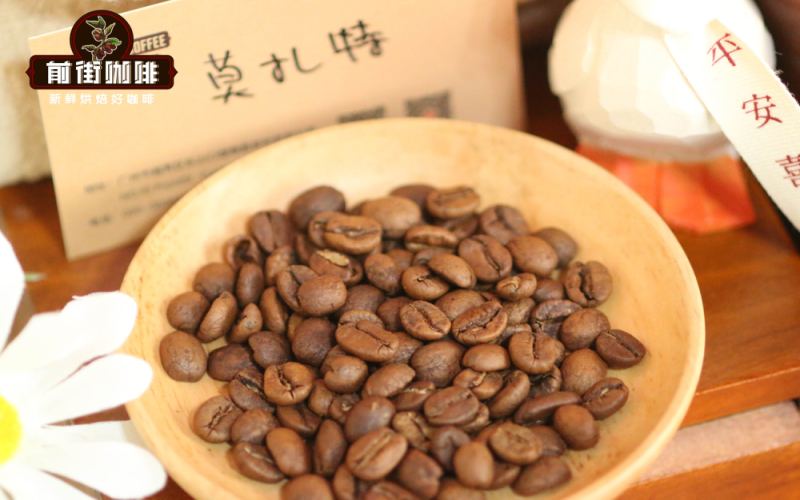
Cold Brew Coffee Shop Method | Is It Hard to Make Delicious Cold Drip Coffee at Home? Which High-Quality Single-Origin Coffee Beans Are Recommended for Cold Brew and Cold Drip?
To make delicious cold brew coffee, Front Street believes three things are essential: choosing floral and fruity coffee beans: since cold brew coffee is extracted at low temperature over a long period, more small-molecule substances in the coffee beans such as floral notes and fruit acids are extracted, while large-molecule substances such as tannic acid and other bitter compounds are difficult to extract. [more…]
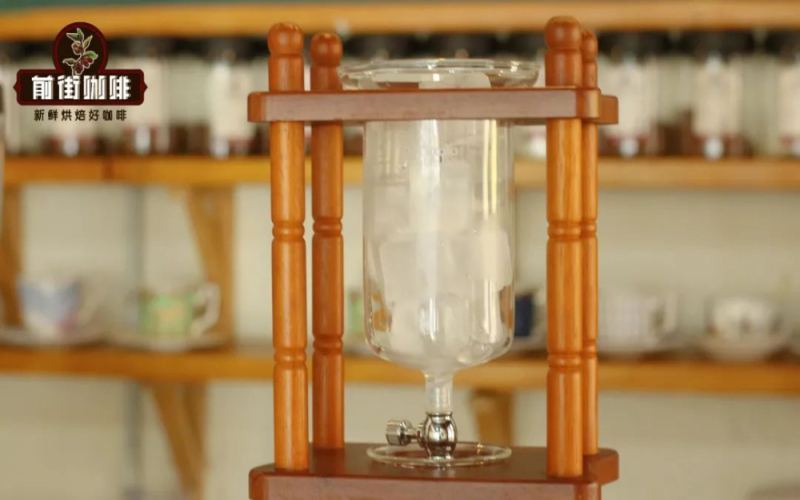
A Complete Guide to Cold Brew Coffee: Coffee-to-Water Ratio, Brewing Time, and Choosing the Right Beans
On a scorching summer day, a glass of cold brew coffee always brings refreshing coolness. However, why is cold brew coffee so expensive? How does it differ from iced brewed coffee and Dutch coffee? This article will break down in detail the origins, principles, and optimal tasting period of cold brew coffee, and focus on sharing key brewing parameters such as the coffee-to-water ratio and drip flow rate. At the same time, Front Street Coffee will, based on daily brewing experience, recommend light-to-medium roasted coffee beans suitable for cold brew, including sun-dried Huakui, Flower Butterfly, Strawberry Candy, and Fruit Ding Ding, helping you make a mellow and sweet cup of cold brew coffee at home. [more…]
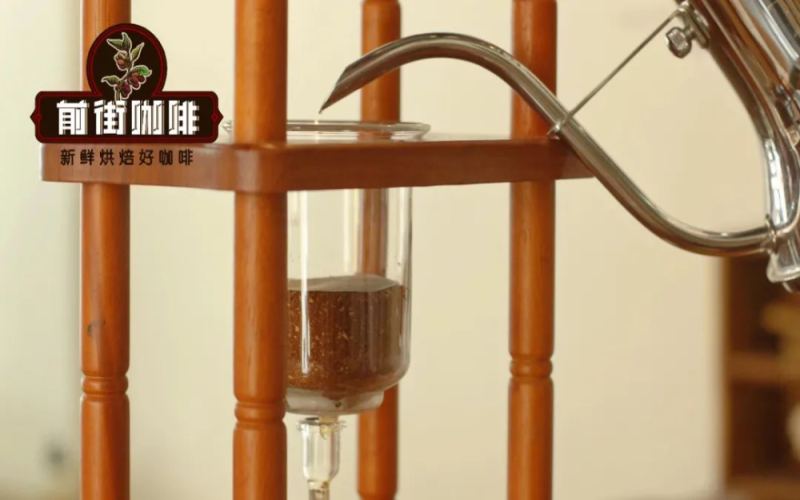
Ice Drip Coffee Powder-to-Water Ratio | How to Replicate Starbucks' Ice Drip? Affordable Single-Origin Coffee Bean Recommendations for Beginners to Make Cold Brew and Ice Drip
Choosing coffee beans—coffee beans actually determine the flavor of the coffee you make. Many people are used to coffee being bitter, especially those who love drinking coffee from a certain American coffee chain. If you are already used to drinking bitter coffee, I suggest you first try iced-drip Mandheling coffee; it lets you taste the difference between iced drip and what you usually drink. [more…]
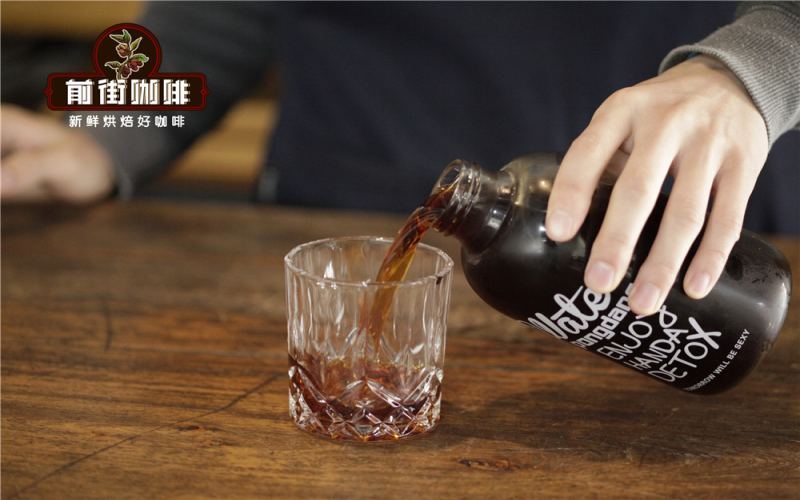
Analysis of the Coffee-to-Water Ratio, Grind Setting, and Complete Brewing Process for Cold Drip Coffee
Cold brew coffee is made by slowly passing ice water through a bed of coffee grounds at low temperature, extracted over several hours, resulting in a delicate flavor and concentrated aroma that is completely different from hot pour-over. This article systematically explains the origin and evolution of cold brew coffee, the flavor advantages and disadvantages of low-temperature extraction, the types of coffee beans suitable for making cold brew, and the structure and usage of cold brew makers. It also provides detailed key parameters including grind size selection, coffee-to-water ratio, drip rate control, and refrigerated fermentation, and shares practical experience with beans such as Front Street Mozart, helping coffee enthusiasts reliably replicate at home a cup of cold brew coffee with a pronounced fermented character and a full-bodied mouthfeel. [more…]
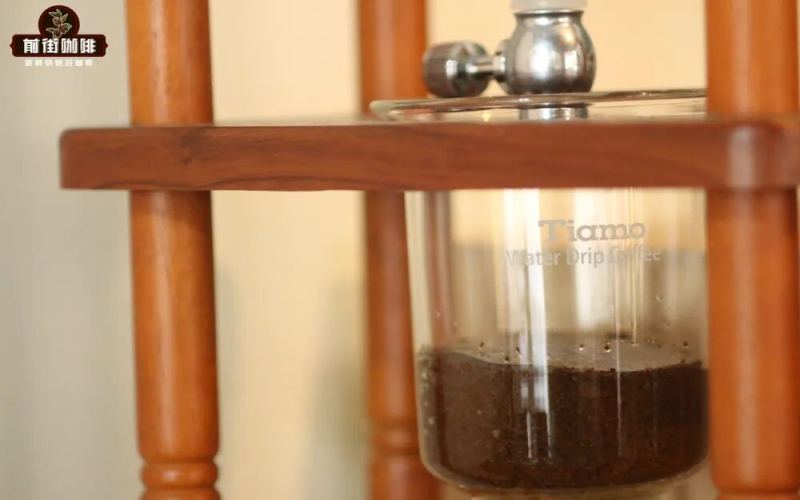
Cold Brew Coffee | Which coffee beans are suitable for cold brew coffee? What is the process for making cold brew coffee? How fine should the coffee grounds be ground for cold brew?
Making a delicious cold brew coffee requires attention to many details, such as the choice of cold brew coffee beans, grind size, coffee-to-water ratio, drip rate, storage and shelf life, and so on. So today Front Street will cover all these operational details in this article. 1. Coffee beans for making cold brew: both cold brew and ice drip belong to low-temperature extraction. [more…]
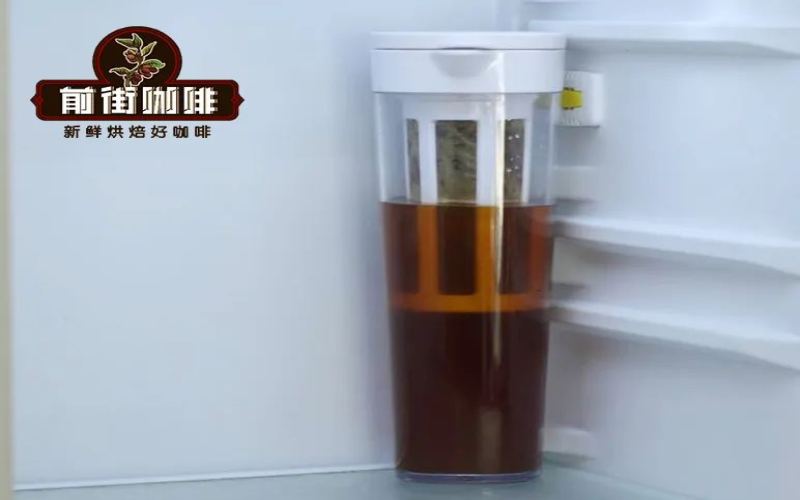
Iced Coffee Recommendations | How Can Coffee Newbies Make Better Iced Pour-Over, Cold Brew, and Ice Drip Coffee? How Long Can Cold Brew and Ice Drip Coffee Be Stored?
After entering the summer solstice, the hottest topic in the enthusiast chat groups is none other than #HowToMakeIcedCoffeeThatTastesGood, with everyone sharing their tips for making iced coffee with each other every day. In this article, Front Street has combined some enthusiasts' views and put together some tips for making iced pour-over coffee, iced drip coffee, and cold brew coffee taste even better! [more…]